
As soon as the temperature hits 30 degrees and we get that first heavy afternoon storm, our phones start ringing.
Summer in Australia isn’t just about cricket and beach days. It’s peak breeding season for termites. The combination of heat and high humidity creates the perfect conditions for subterranean termites to become active, aggressive, and hungry.
If you’ve been putting off checking your property, now is the time to get sorted.
Why Summer is ‘Termite Season’
You might have noticed swarms of small flying insects around streetlights or crawling out of timber in the late afternoon. These are “alates”, winged reproductive termites looking to start new colonies.
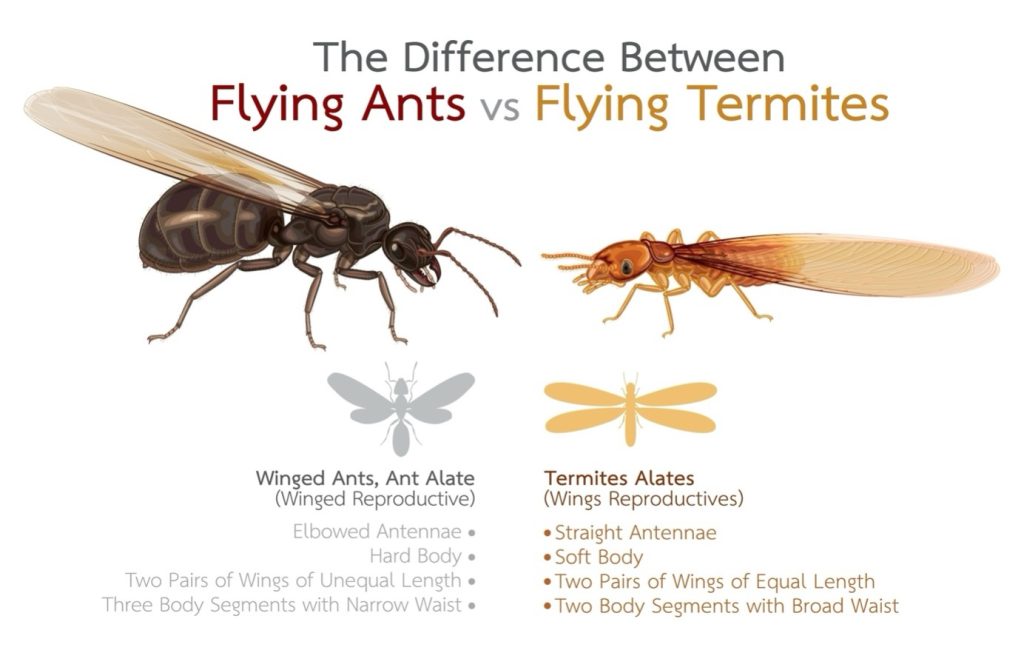
When you see these flyers, it means there is a large, mature nest nearby. It might be in a gum tree down the road, or it could be in your sub-floor.
During these warmer months, worker termites are also foraging further and faster. They are cold-blooded insects; the heat gives them the energy to work 24/7. They don’t sleep, and they don’t take a holiday just because you do.
What You Can Spot Yourself (And What You Can’t)
We always encourage homeowners to check their property, take a walk around the perimeter, look for weep holes in your brickwork isn’t blocked by garden mulch and any other obvious signs.
Things you might see:
- Mud leads: Brown, earthy tubes running up foundation walls or piers.
- Blistered paint: Looks like water damage, but if you press it, your finger breaks through into a hollow.
- Discarded wings: Piles of translucent wings on windowsills.
But here is the problem with a DIY check: termites are experts at staying hidden.
They eat timber from the inside out. By the time you see the paint bubbling on your skirting board or notice a door frame has dropped, they might have been eating the structural framing behind the Gyprock for months.
This is why booking a regular visual termite inspection is the only way to get real peace of mind.

What We Do Differently
When we come out to your property, we aren’t just having a quick look around. We follow Australian Standard AS 3660.2, which sets the rules for exactly how an inspection should be done and we’re looking for the things you can’t see.
We use moisture meters to detect higher moisture levels behind walls (termites bring moisture with them). We use tapping sticks (dongers) to listen for the change in tone that indicates hollow timber. We crawl into the roof void and the sub-floor: the hot, tight, dusty places where termites enter your home.
We know the local construction styles. No matter if you’re on a slab in a new estate or on brick piers in an older weatherboard home, we know the specific “weak points” where termites like to breach the perimeter.
Don’t Wait Until You Find Damage
Termite damage isn’t usually covered by standard home insurance. That shocks a lot of people, but it’s true. The repair bill is entirely on you.
Considering the cost of structural repairs which can run into the tens of thousands of dollars, an annual inspection is cheap insurance.
Call our team on 0488 885 203 to book your Visual Termite Inspection or alternatively, Order an Inspection online or get an Instant Quote.
